



Overview
Here’s something to think about: right now, there are probably hundreds of cameras in your city recording everything from traffic patterns to people walking into coffee shops. In warehouses, factories, hospitals, and retail stores around the world, millions more cameras are doing the same thing. But here’s the catch, most of that footage just sits there. It gets recorded, stored for a while, and then deleted to make room for more footage that nobody really looks at either.
Key points
We’re capturing all this information but barely scratching the surface of what it could tell us. It’s like having a library full of books that nobody’s allowed to read.
Well, that’s changing, and it’s changing fast.
The Shift from Watching to Understanding
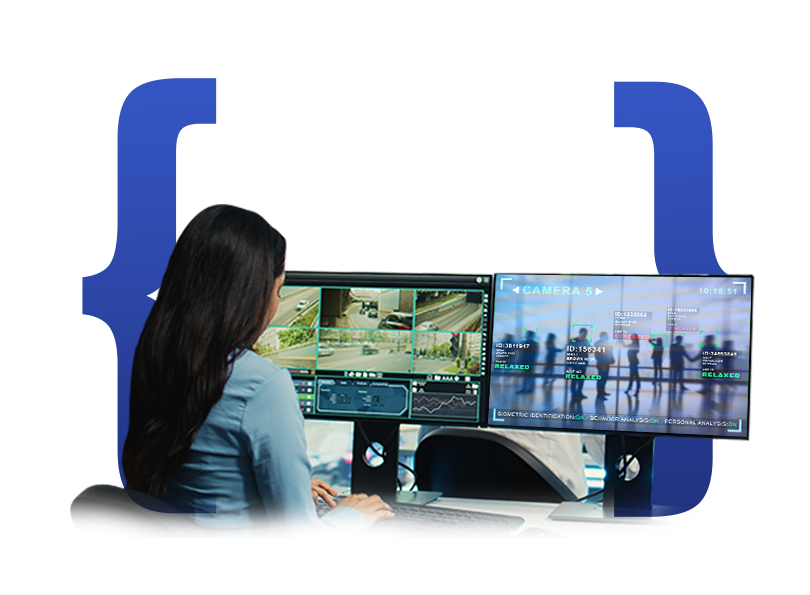
Traditional video systems were built for observation. Someone had to watch screens, review footage manually, and react after something went wrong. Video analytics introduces intelligence into this process.
Powered by artificial intelligence and computer vision, video analytics systems can automatically interpret visual data, identify patterns, detect anomalies, and generate insights without constant human supervision. Instead of simply recording events, systems now understand what is happening and why it matters.
This shift marks a fundamental evolution from visibility to intelligence.
When Cameras Start Making Sense of What They See
Video analytics isn’t just a fancy upgrade to your security system. It’s a complete rethinking of what cameras can do for your business. Instead of just recording things so you can review them later if something goes wrong, modern video systems are now actively watching, learning, and telling you things you need to know, sometimes before you even realize you need to know them.
Take retail stores, for example. Store managers used to spend countless hours reviewing footage trying to understand customer behavior and sales patterns. Today’s video analytics systems reveal which displays attract attention and which get ignored, how long visitors spend in different areas, and where confusion happens based on movement patterns. The focus has shifted from just security monitoring to genuinely understanding how spaces are used and how people behave within them.
The Tech That Makes It Work
Modern video analytics uses artificial intelligence to understand what’s in the video, not just record it. These systems can tell the difference between a person and a box, recognize specific objects, track movement patterns, and even spot things that seem out of place.
The real power lies in its ability to turn visual signals into structured data. This data can then be analyzed, correlated, and acted upon instantly. It’s faster, more private, and honestly just makes more sense. The camera sees something interesting, analyzes it immediately, and only sends you the insight, not terabytes of raw video.
Real World Impact Across Industries
Video analytics is showing up across diverse industries, with each sector discovering applications that address their specific challenges.
- In retail environments, these systems track foot traffic, monitor which displays capture attention, and identify layout issues that create congestion. Advanced implementations can analyze checkout line lengths and trigger alerts when additional staff is needed, preventing customer frustration before it happens.
- Manufacturing facilities are leveraging video analytics for both quality control and safety. These systems can identify microscopic defects on production lines that might escape human inspection. They also monitor compliance with safety protocols, verifying that protective equipment is worn correctly, detecting when personnel enter restricted zones, and flagging potentially hazardous situations before incidents occur.
- Urban infrastructure is being transformed through intelligent video systems. Traffic management platforms analyze vehicle flow patterns, dynamically adjust signal timing to reduce congestion, and optimize routes for emergency responders. Parking facilities use video analytics to guide drivers directly to available spaces, eliminating the frustration of circling endlessly.
- Healthcare organizations are applying video analytics to improve patient care and operational efficiency. Systems track patient movement through facilities to reduce wait times and optimize resource allocation. Fall detection capabilities provide immediate alerts to nursing staff, while compliance monitoring helps ensure critical protocols like hand hygiene are consistently followed.
Turning Vision into Action
Video footage holds stories, signals, and insights waiting to be unlocked. Video analytics turns those visuals into intelligence that drives safety, efficiency, and strategic advantage.
It represents the evolution, from passive recording to active understanding, from data storage to decision support.
Organizations that embrace this shift are not just upgrading technology. They are redefining how decisions are made.
Because when vision becomes intelligence, action follows naturally.