



Overview
In today’s fast-paced and highly competitive global marketplace, delivering goods quickly and efficiently is key to business success. However, with growing consumer demands, complex supply chains, and evolving market conditions, managing logistics is more challenging than ever. This is where Logistic Management Systems (LMS) step in to simplify operations, streamline processes, and ensure seamless deliveries.
Key points
What is a Logistic Management System?
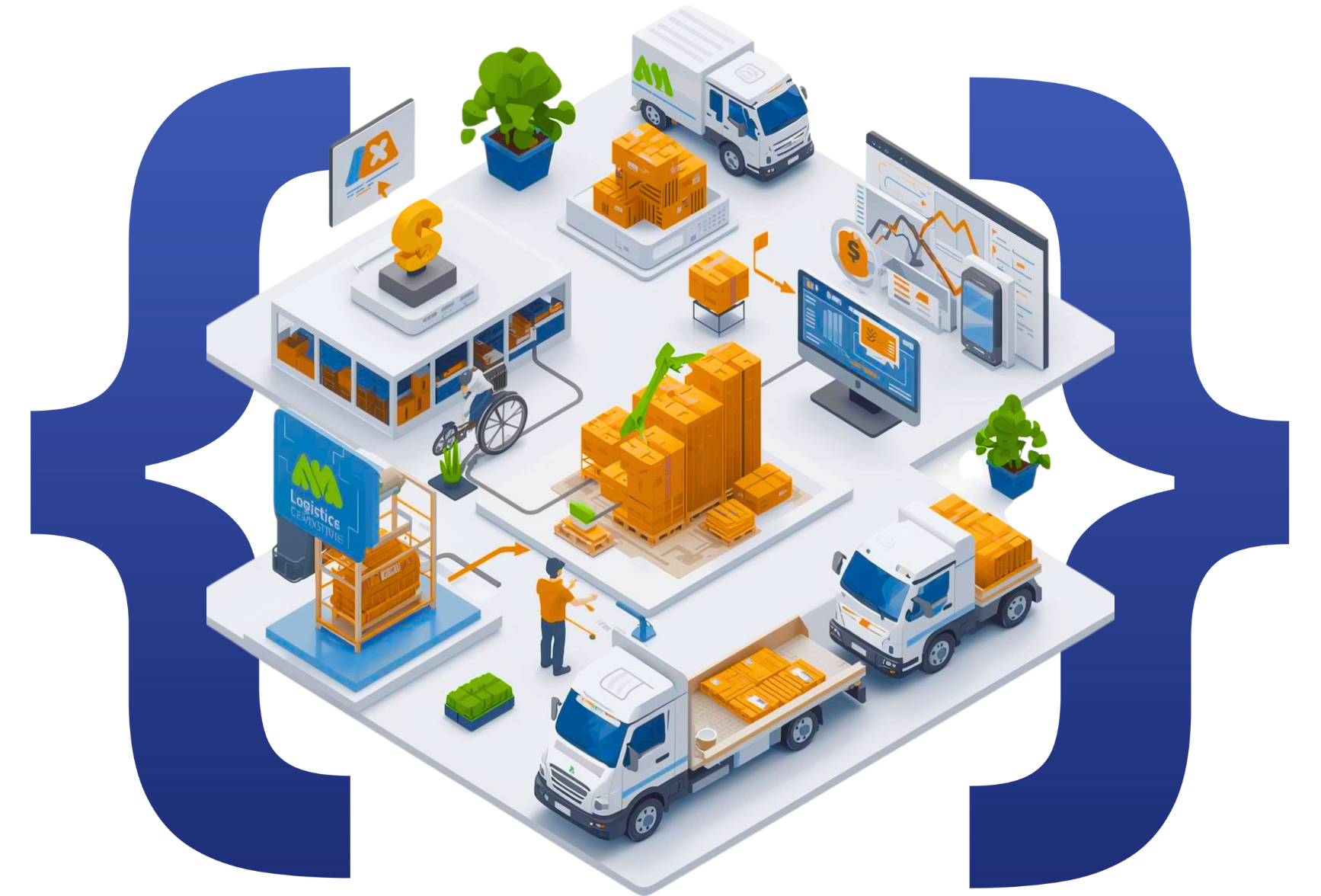
A Logistic Management System (LMS) is a digital tool designed to manage, coordinate, and streamline the various stages of the logistics and supply chain process, from procurement of raw materials to the delivery of finished products.
These systems integrate key functions such as inventory management, transportation, warehousing, order processing, and shipment tracking into a centralized platform. This allows companies to automate manual processes, gain real-time visibility, and make data-driven decisions that reduce operational inefficiencies and lower costs.
Key benefits of logistic management systems
Optimized route planning: One of the critical aspects of logistics is transportation management. LMS uses advanced algorithms and data analytics to identify the best routes for deliveries, considering factors like traffic patterns, fuel consumption, and weather conditions. This reduces transit times, saves fuel, and enhances delivery efficiency.
Real-Time Tracking and Visibility: Real-time tracking allows businesses to monitor shipments at every stage of the supply chain. With GPS integration and Internet of Things (IoT) technology, LMS provides detailed insights into the location and condition of goods, offering transparency to both businesses and customers. This level of visibility minimizes the chances of lost or delayed shipments, enhancing customer trust.
Improved Inventory Management: A well-integrated LMS helps businesses maintain optimal inventory levels by tracking stock in real-time. By predicting demand trends and managing warehouse operations efficiently, companies can avoid overstocking or running out of critical supplies. This leads to smoother logistics flows and better customer satisfaction.
Automation of Repetitive Tasks: Automation is a game-changer in logistics. LMS automates tasks such as order processing, shipment scheduling, billing, and invoicing, reducing the need for manual intervention. This not only saves time but also minimizes human errors, allowing companies to focus on more strategic tasks.
Data-Driven Decision Making: One of the biggest advantages of using an LMS is the ability to leverage data analytics. By analyzing historical data and real-time information, logistics managers can identify inefficiencies, forecast demand, and optimize processes. Data-driven insights help businesses stay agile and responsive in a dynamic market environment.
Cost Efficiency: Logistics management systems enable companies to identify cost-saving opportunities across various touchpoints in the supply chain. Whether it’s reducing fuel consumption, optimizing warehouse space, or avoiding penalties due to late deliveries, an LMS helps minimize operational costs, ultimately boosting profitability.
Sustainability: With growing emphasis on environmental responsibility, many LMS solutions now incorporate sustainability measures. From reducing carbon emissions through optimized routes to implementing eco-friendly packaging solutions, businesses can contribute to a greener planet while maintaining operational efficiency.
How LMS enables seamless deliveries
End-to-End Coordination: A logistics management system ensures seamless coordination across the entire supply chain—from procurement to final delivery. By connecting suppliers, transporters, warehouses, and customers in a unified system, LMS eliminates silos and reduces miscommunication. This enables a seamless flow of goods and information, ensuring that deliveries are made on time and without disruptions.
Enhanced Last-Mile Delivery: Last-mile delivery is a critical phase in the logistics process, and it’s often the most expensive and time-consuming. LMS enhances last-mile delivery by providing real-time data on delivery routes, traffic conditions, and customer availability. This allows for dynamic route adjustments and proactive communication with customers, leading to smoother, faster deliveries.
Customer Satisfaction: Seamless deliveries are essential for a positive customer experience. With features like real-time tracking, proactive notifications, and accurate delivery times, LMS solutions keep customers informed and satisfied. This level of transparency not only meets but exceeds customer expectations, contributing to brand loyalty and repeat business.
Flexibility and Scalability: As businesses grow and markets evolve, logistics demands become more complex. A good LMS is highly scalable, allowing businesses to adapt to increasing order volumes, changing delivery schedules, and diverse market requirements without compromising service quality.
The Future of Logistics: Leveraging Technology for a Competitive Edge
As we move towards a more digital and interconnected future, technology will continue to drive innovation in logistics management. Emerging technologies such as artificial intelligence (AI), machine learning (ML), blockchain, and autonomous vehicles are expected to further transform the logistics landscape. These innovations, when integrated into LMS, can unlock new levels of efficiency, accuracy, and agility, ensuring that businesses stay ahead of the competition.
Conclusion
In an era where customer expectations are at an all-time high, businesses need to adopt cutting-edge solutions to maintain smooth logistics and seamless deliveries. Implementing a robust Logistic Management System not only optimizes the entire supply chain process but also enhances customer satisfaction, reduces operational costs, and ensures long-term business growth.
Whether you’re a small startup or a large enterprise, embracing logistics management technology is no longer optional—it’s essential for thriving in today’s competitive environment.
Prutech’s Logistics Management System is equipped with cutting-edge automation tools that assist organizations in streamlining their logistics operations and achieving their desired goals.