



Overview
In today’s security landscape, access control plays a crucial role in protecting assets and premises. While traditional methods such as keycards and passwords have been widely used, advancements in technology have introduced a new era of security solutions. One of the most notable innovations is facial recognition system software, which offers unparalleled convenience, accuracy, and efficiency in access control.
Key points
Seamless Integration: Automating Authentication
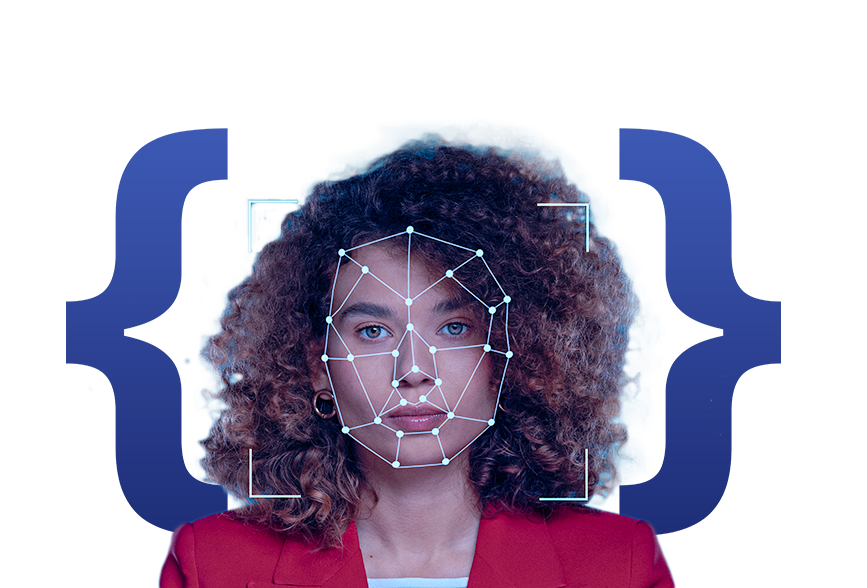
Facial recognition technology functions by identifying individuals through their distinct facial features. Utilizing advanced algorithms and machine learning, these systems compare faces to a database of recognized individuals. The smooth incorporation of facial recognition software into current security systems streamlines the identification process. Employees or authorized personnel can effortlessly verify their identity by presenting their faces to a designated camera, eliminating the necessity for physical tokens or passwords, and improving overall efficiency.
Biometric Authentication: Enhancing Security Measures
Facial recognition systems provide heightened security through biometric authentication. Unlike passwords or keycards, biometric data such as facial features are unique for every individual. This distinctiveness greatly increases the difficulty for unauthorized individuals to gain access through deceitful methods. Furthermore, facial recognition systems have the capability to identify and thwart spoofing attempts, thereby strengthening security protocols.
Speed and Efficiency: Optimizing Throughput
In places where high throughput is essential, such as airports or large-scale events, the rapid and efficient performance of facial recognition systems is indispensable. These advanced systems have the capability to analyze thousands of faces per second, facilitating quick and seamless entry for authorized individuals. This not only enhances operational efficiency but also enhances the overall user experience by minimizing wait times and congestion at entry points.
Accuracy and Reliability: Minimizing False Positives
The facial recognition system software provides exceptional accuracy, significantly reducing the occurrence of false positives and false negatives. Through the utilization of advanced algorithms, the software can adapt to variations in lighting, facial expressions, and angles, guaranteeing reliable identification under various conditions. This level of reliability is especially critical in security-sensitive environments, where the repercussions of unauthorized access can be significant.
Comprehensive Management: Oversight and Accountability
The integration of facial recognition systems enhances access control management by providing administrators with the ability to easily configure access permissions, monitor entry and exit logs, and generate reports for auditing purposes. This heightened level of oversight enables organizations to enforce stringent security protocols while upholding accountability and transparency.
Privacy and Ethical Considerations: Balancing Security and Rights
The adoption of facial recognition technology brings about numerous benefits, but it also raises significant concerns regarding privacy and ethics. It is imperative that strong safeguards are implemented to protect individuals’ privacy rights in relation to the collection and storage of biometric data. Clear policies outlining data retention, access controls, and consent mechanisms are crucial for ensuring compliance with regulations and standards.
Addressing Bias and Discrimination: Ensuring Fairness
The growing concerns surrounding bias and discrimination in facial recognition algorithms highlight the urgent need for equitable deployment. It is imperative for developers and implementers to proactively address biases in data collection and algorithm design to prevent discriminatory outcomes. Transparency and accountability throughout the development and deployment of facial recognition systems are essential in building trust and minimizing potential risks.
Conclusion
The integration of facial recognition system software signifies a breakthrough in access control technology. Its capacity to offer seamless, secure, and efficient authentication renders it a crucial tool across diverse industries. Nevertheless, it is imperative to consider privacy, ethics, and fairness aspects to guarantee responsible and equitable implementation. By leveraging the capabilities of facial recognition technology while adhering to ethical standards, organizations can bolster security measures and streamline access control in an ever evolving and intricate landscape.
Prutech offers efficient facial recognition solutions through its Facial Recognition System Software. The Prutech Facial Recognition System Software can be seamlessly integrated into an organization’s existing security system. It helps enhance security, accuracy, and customer experience.