



Overview
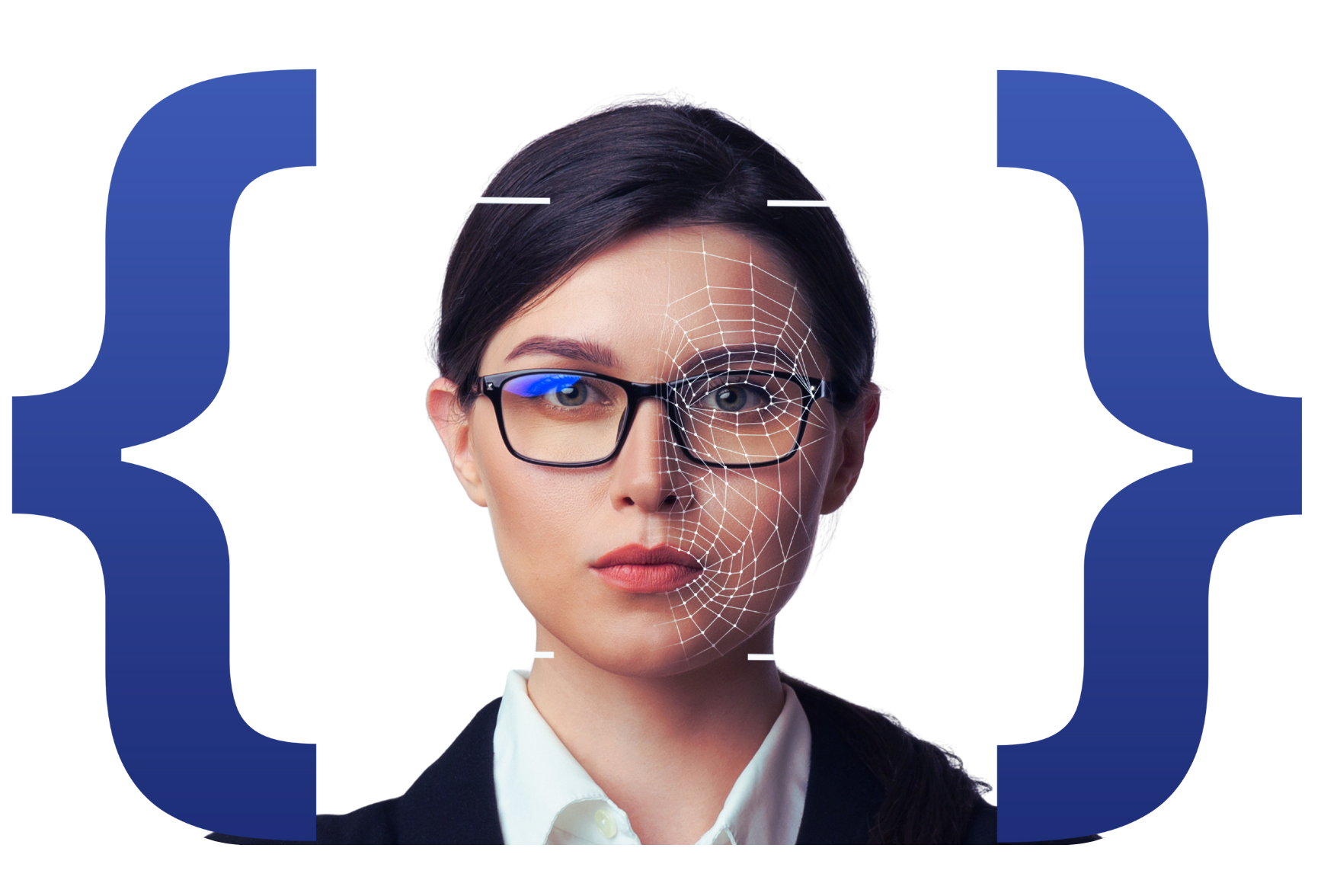
In today’s digital age, fraud has transformed from simple counterfeit documents and impersonation to complex cyber threats and identity theft. Traditional security measures such as passwords, PINs, and ID cards are no longer adequate to combat modern fraud techniques. This is where biometric facial recognition emerges as a robust and forward-thinking solution.
Key points
Why Facial Recognition for Fraud Prevention?
Facial recognition technology utilizes artificial intelligence and machine learning to accurately map, analyze, and verify the distinct features of an individual’s face. Unlike passwords, which can be easily stolen, or tokens, which can be lost, a person’s face is extremely difficult to replicate with precision. This makes facial biometrics one of the most secure and convenient methods for verifying one’s identity.
Benefits of facial recognition in combating fraud:
- Contactless and Convenient: Facial recognition technology allows for quick and seamless authentication without the need for any physical contact. This feature is particularly beneficial in busy settings such as airports, banks, and retail stores, where efficiency and cleanliness are top priorities.
- Real-Time Identity Verification: Facial recognition technology plays a crucial role in verifying users in real-time, enabling the swift detection and prevention of unauthorized access. Whether an individual is attempting to log into a system, make a transaction, or access sensitive data, only the rightful user is granted entry. This advanced technology ensures heightened security measures and enhances overall user authentication processes.
- Advanced Liveness Detection: To combat fraudulent attempts involving the use of photos, videos, or masks, contemporary facial recognition systems are now equipped with liveness detection technology. These advanced algorithms analyze movement, depth, and authentic facial reactions to verify the presence of a real individual.
- AI-Powered Fraud Detection: Facial recognition systems, integrated with artificial intelligence, are constantly learning from data patterns. This allows them to effectively identify suspicious behavior, detect repeated fraud attempts, and pinpoint anomalies. By leveraging this technology, security teams can proactively respond to potential threats.
- Scalability Across Industries: Facial recognition technology has become increasingly versatile, with applications spanning across various industries such as banking, healthcare, e-commerce, and government services. This technology offers a reliable means of verifying identity in both physical and digital settings, ensuring a consistent level of security and authentication.
Real-World Applications:
- Banking & Finance: Authenticate account holders, enable secure mobile banking, and prevent financial fraud.
- Retail & E-Commerce: Verify customers during high-value transactions or online purchases.
- Workforce Management: Prevent buddy-punching and unauthorized access to corporate resources.
- Government & Border Control: Ensure accurate identity checks during travel and immigration processes.
- Healthcare: Prevent insurance fraud by ensuring the identity of patients and providers.
Addressing Privacy and Ethical Concerns
Facial recognition technology is a valuable tool that can greatly benefit organizations, but it is crucial to use it responsibly. It is imperative for organizations to prioritize data privacy, adhere to regulations such as GDPR, and be transparent with users regarding the collection, storage, and usage of their biometric data. Implementing end-to-end encryption, secure storage practices, and obtaining opt-in consent are essential steps for ensuring the ethical deployment of facial recognition technology.
Conclusion
Fraud prevention has evolved beyond simply constructing barriers; it now involves creating intelligent, adaptable defenses. Biometric facial recognition provides a secure, scalable, and efficient method for verifying identities and deterring fraud in real-time. When integrated with robust data protection measures, it not only strengthens security but also fosters trust among users and stakeholders.
Ready to implement facial recognition software in your fraud prevention tactics?
Get in touch with our team to explore how biometric security can safeguard your organization in today’s digital-first world.